Immigration Office
D6 Religious Visa
invitation
1. What is a D6 religious visa?
D6 religious visa is for those dispatched from foreign religious organizations or social welfare organizations.
Proselytizing, missionary work, education, social welfare, etc. at branches or related organizations registered in the country
This visa is granted to those who wish to carry out activities for non-profit purposes.
2. Practical overview and requirements
For short-term invitation visas, the purpose of the visit must be clear, and it is essential to demonstrate financial ability to cover expenses during the stay.
1. Legal basis
The legal basis for the D6 visa is set forth in Article 10 of the Immigration Control Act and Appendix 1-2 of its Enforcement Decree. In practice, the most important requirement is the non-profit nature of the activity.
Legal basis: Article 12, Appendix 1 of the Enforcement Decree of the Immigration Control Act (Classification of Residence Status)
- Restrictions on commercial activities: In principle, employment activities for commercial purposes are prohibited, and only the minimum living expenses (actual expenses) necessary for the stay are permitted.
2. Key Requirements
The inviting domestic organization must be a legal entity officially registered with the relevant government agency, and the invitee must be able to prove that he or she is a minister of the relevant religion in his or her home country.
3. Type
Depending on the applicant's circumstances and purpose of activity, they are categorized as follows:.
Foreign religious organization dispatch type: When assigned to a registered branch in Korea by an overseas headquarters
Exchange with related organizations: When an overseas religious organization is dispatched to a similar domestic religious organization to conduct cooperative activities.
Capital and Research Type: When conducting practice, asceticism, or academic research at the invitation of a domestic religious organization.
Social Welfare Specialist: Invited to a domestic welfare corporation and engaged solely in social contribution services.
4. Issuance period and required documents
The time required may vary depending on the review volume of the competent authority, but it usually takes about 2 to 4 weeks after application.
Recently, the review period has been getting longer.List of key submission documents:
Visa application form, passport copy, standard size photo
Invitation letter and dispatch certificate (issued by overseas organization)
Establishment permit and business registration certificate (unique number certificate) of the domestic inviting organization
Confirmation of support for living expenses from affiliated organization and confirmation of accommodation
Clergy certificate (pastor's ordination certificate, priest's certificate, monk's confirmation, etc.)
Personal guarantee certificate
3. Visa issuance procedures
-
1Preparation and application of documents by domestic inviting agency (Immigration Office with jurisdiction)
-
2Immigration control agency's screening and issuance of visa issuance approval number
-
3Apply for and receive a visa at the Korean embassy or consulate in your home country.
-
4Entering the Republic of Korea after obtaining a visa
-
5Alien registration within 90 days of entry (Immigration Office with jurisdiction)
Why You Need a Visa Administrator
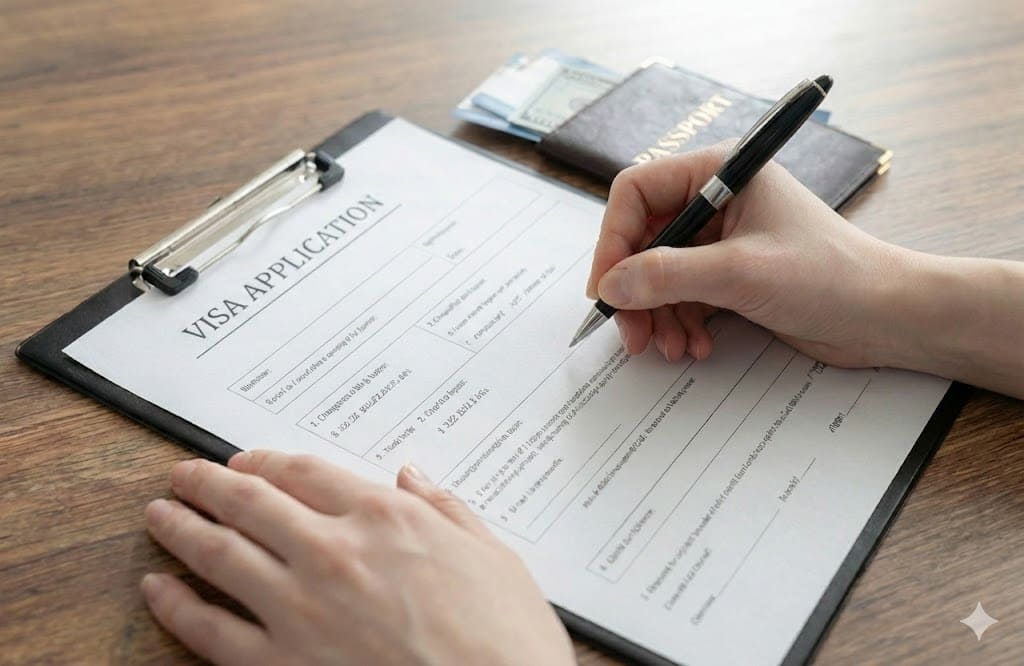
Because visa review is largely at the discretion of the consul,
If you are rejected once, re-applying is difficult and takes twice as much time and money.
-
1. Qualification assessment of the inviting organization
You should thoroughly review the institution's eligibility for invitation in advance through an expert.
-
2. Ensuring accuracy and consistency of documents
The required documentation is extensive, including proof of clergy status from overseas and documents from domestic organizations. Ensure consistency among documents and clearly state the non-profit purpose to minimize review delays or rejections.
-
3. Customized consultation according to immigration guidelines
We offer optimal visa issuance strategies that accurately reflect the constantly changing immigration administrative guidelines and the specific practices of each jurisdiction. This reduces unnecessary trial and error and ensures a stable entry schedule.
Seum Administrative Law Firm has extensive practical experience and legal expertise.
So that you and your organization can achieve your goals without a hitch.
We will be your best assistant.
From complex document preparation to final issuance,
Seum Administrative Law Firm will be your reliable partner.
January 30, 2026
Seum Administrative Attorney Firm
Written by: Sangyoon Kim, Administrative Scrivener
Frequently Asked Questions (FAQ)
Q: Can accompanying family members enter the country as well?
A: Yes, your spouse and minor children can stay with you on an F-3 (accompanying) visa.
Q: I am currently staying in Korea on a different visa. Can I change my visa to a D6 visa?
A: In principle, changes to domestic qualifications are limited.
In principle, unless you are a citizen of a specific country or have unavoidable circumstances, you must obtain a visa from your home country to enter the country.
Q: Can I teach at a school in Korea?
A: While it is possible to give theological lectures at schools within religious foundations, general employment activities may require separate permission.